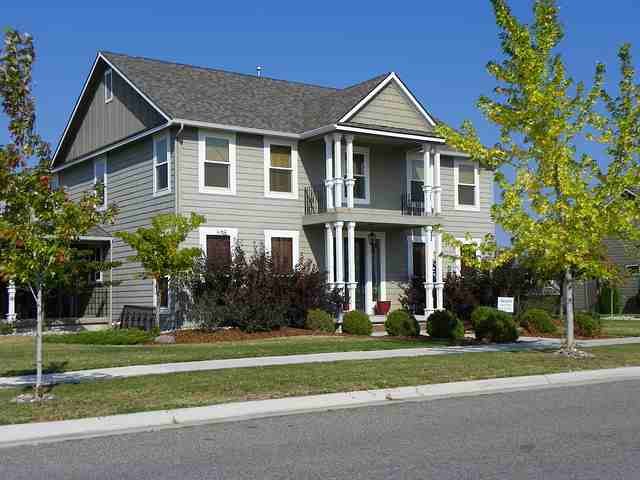
You finally got the keys to that shiny new construction. Everything smells like fresh paint and possibility. But here’s the kicker – you’re not living there, and your tenant isn’t moving in for another two months. So who’s covering that beautiful empty building right now?
Surprise! Your standard landlord policy probably laughs in the face of vacant new builds. I learned this the hard way back in 2023 when my brand-new duplex sat empty for six weeks while the final inspections crawled along.
Let me rewind a little. Non owner landlord insurance for new construction isn’t some niche product you hunt down in a dark corner of the internet. Actually,it’s becoming super common as more people invest in ground-up rentals. But here’s what most folks miss – you need a specific endorsement for buildings that have never had a tenant.
Why? Because vacant construction sites and freshly finished but unoccupied units are like magnets for trouble. Think copper thieves, undetected water leaks from that brand new HVAC system, or a random electrical fire nobody notices for days. Statistically, vacant properties are three to four times more likely to be vandalized or suffer major damage than occupied ones. Three to four times!
So what does this policy actually cover? Great question.
You’re looking at liability protection if someone sneaks onto your empty property and hurts themselves – and yes, that happens more than you’d think. Also, it covers things like fire, wind, hail, and vandalism during that awkward gap between certificate of occupancy and move-in day.

I remember talking to a landlord in Austin who skipped this coverage. His new construction sat for five weeks. One stormy night, a tree branch punched through the roof, and rainwater destroyed the brand new hardwood floors. His regular policy denied the claim because the place had been vacant over 30 days. He ended up paying eighteen grand out of pocket. Eighteen grand!
Now you might be thinking, “But my builder’s risk policy still active, right?” Not exactly. Builder’s risk usually ends the moment the final inspection passes and you take ownership. That leaves a dangerous gap.
The beautiful thing about non owner landlord insurance for new construction is you can usually get it for just the vacant period – say, 30 to 90 days – and then seamlessly convert it to a standard landlord policy once a tenant signs the lease. Some insurers even offer a bundled discount if you tell them upfront that you’re building.
One thing nobody tells you: document everything during that vacant period. Take photos of every room, every pipe, every window lock. Because if something does go wrong, the adjuster will ask for proof the property was well-maintained even while empty.
I’ve been using a regional carrier out of Ohio for my last two new builds. They specialize in construction-to-rental transitions. Their premium for a two-month vacant period runs about 40% higher than a regular landlord policy, but honestly? That’s cheap peace of mind compared to a six-figure loss.
So before you hand over those final contractor payments, call your agent and ask specifically about vacancy endorsements for new construction. Don’t let that shiny new building become an expensive lesson. Your future self – and your bank account – will thank you.