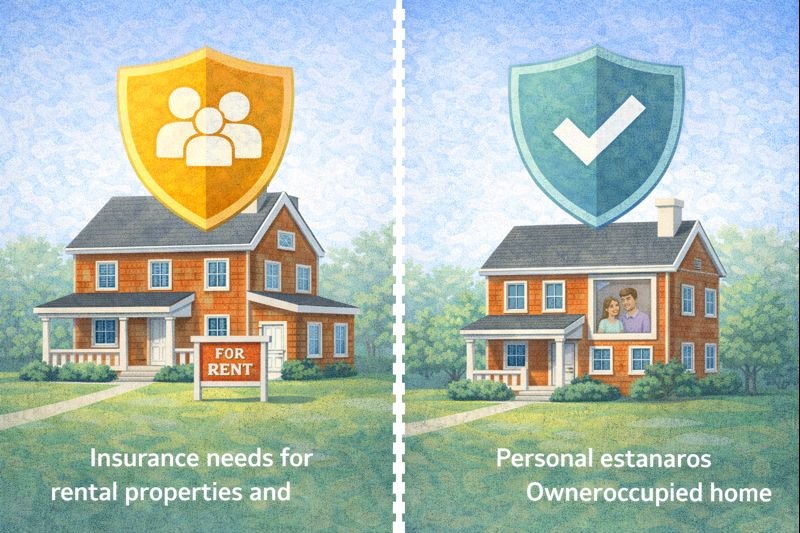
Owning a rental property in the United States can be a powerful source of long-term income and wealth building. However, being a landlord also comes with significant financial risks. From property damage and liability claims to loss of rental income, unexpected events can quickly turn a profitable investment into a financial burden.
This is where landlord insurance—also known as rental property insurance—becomes essential. Designed specifically for property owners who rent out homes, apartments, or multi-unit buildings, landlord insurance provides financial protection against risks that standard homeowners insurance does not cover.
In this comprehensive 2026 guide, we explain how landlord insurance works, what it covers, how much it costs, legal requirements, and how property owners can choose the right policy in the United States.
What Is Landlord Insurance?
Landlord insurance is a specialized type of property insurance designed for owners who rent out residential or commercial properties.
Unlike homeowners insurance, which covers owner-occupied residences, landlord insurance is structured to protect rental income and investment property risks.
A standard policy typically includes three core protections:
- Property damage coverage
- Liability protection
- Loss of rental income coverage
This combination ensures landlords are financially protected when unexpected events affect their rental property.
Why Landlord Insurance Is Important
Rental properties face unique risks compared to primary residences.
For example:
- Tenants may accidentally cause damage
- Natural disasters can destroy property structures
- Guests may suffer injuries on the premises
- Fire, vandalism, or theft can lead to major losses
Without proper insurance, landlords may be responsible for expensive repairs and legal claims out of pocket.
In many cases, even a single incident can cost tens of thousands of dollars.
What Does Landlord Insurance Cover?
A typical landlord insurance policy includes several key coverage components.
1. Dwelling Coverage
This protects the physical structure of the rental property, including:
- Walls and roof
- Floors and foundation
- Built-in appliances
- Electrical and plumbing systems
If the property is damaged by covered events such as fire, storms, or vandalism, dwelling coverage helps pay for repairs or rebuilding.
2. Liability Protection
Liability coverage protects landlords if someone is injured on the property.
Examples include:
- A tenant slips and falls
- A visitor is injured due to unsafe conditions
- Legal claims due to property-related incidents
This coverage can help pay for:
- Legal fees
- Medical expenses
- Court judgments
3. Loss of Rental Income
If the property becomes uninhabitable due to a covered event, landlord insurance may reimburse lost rental income.
This is especially important because:
- Mortgage payments still continue
- Property taxes remain due
- Maintenance costs persist
Loss of income coverage helps maintain financial stability during repairs.
4. Optional Add-Ons (Endorsements)
Landlords can enhance coverage with optional protections such as:
- Flood insurance
- Earthquake coverage
- Vandalism protection
- Equipment breakdown coverage
- Rent default insurance
These add-ons are especially useful in high-risk areas.
What Landlord Insurance Does NOT Cover
While landlord insurance is comprehensive, it does not cover everything.
Common exclusions include:
- Tenant personal belongings
- Routine maintenance and wear-and-tear
- Intentional damage by the owner
- Pest infestations
- Flood damage (unless separately added)
Tenants are usually required to carry renters insurance to protect their own belongings.
How Much Does Landlord Insurance Cost in the U.S.?
The cost of landlord insurance varies depending on several factors:
- Property location
- Property value
- Size and type of rental unit
- Number of rental properties owned
- Coverage limits and deductibles
- Local risk factors (weather, crime rates)
Average Cost Range
In the United States:
- $900 – $3,000 per year for single-family rentals
- Higher premiums for multi-unit buildings or high-risk areas
For example:
- Properties in Florida or California may cost more due to hurricanes and wildfires
- Rural properties often have lower premiums
Is Landlord Insurance Required by Law?
In most U.S. states, landlord insurance is not legally required.
However, it is often required by:
Mortgage Lenders
If the property is financed, lenders usually require insurance coverage to protect their investment.
Property Management Agreements
Some property management companies require landlords to carry insurance before managing rental units.
Even when not legally required, landlord insurance is strongly recommended.
How Landlord Insurance Claims Work
When damage or loss occurs, landlords typically follow these steps:
- Report the incident to the insurer
- Document damage with photos and reports
- Work with an insurance adjuster
- Receive compensation based on policy terms
Proper documentation is essential for faster claim approval.
Landlord Insurance vs Homeowners Insurance
A common mistake new investors make is assuming homeowners insurance is enough.
Homeowners Insurance
- Covers owner-occupied homes
- Does NOT cover rental income loss
- May deny claims if property is rented out long-term
Landlord Insurance
- Designed for rental properties
- Includes liability + rental income protection
- Covers tenant-related risks
Choosing the correct policy type is critical.
Who Needs Landlord Insurance?
Landlord insurance is essential for:
- Single-family rental owners
- Apartment building owners
- Vacation rental hosts (Airbnb-style properties)
- Real estate investors
- Commercial property owners
Even part-time landlords benefit from coverage.
Factors That Affect Premium Costs
Several key variables influence pricing:
Property Location
High-risk areas cost more.
Property Age
Older buildings may have higher risk.
Construction Type
Materials like brick or fire-resistant structures may reduce premiums.
Claims History
Previous insurance claims can increase costs.
Security Features
Security systems and fire alarms may lower premiums.
Landlord Insurance Trends in 2026
The rental property insurance market is evolving quickly.
Rising Property Costs
Increasing construction and repair costs are pushing premiums higher.
Climate Risk Pricing
Insurers are adjusting rates based on flood, wildfire, and hurricane zones.
Digital Policy Management
Most landlords now manage policies online with instant updates and claims processing.
AI Risk Assessment
Insurance companies are using data analytics to evaluate rental property risks more accurately.
Tips for Choosing the Right Landlord Insurance
To choose the best policy, landlords should:
- Compare multiple insurance providers
- Review coverage limits carefully
- Check loss of rent protection terms
- Evaluate liability coverage amounts
- Consider optional add-ons for natural disasters
- Work with insurers experienced in rental properties
Bundling landlord insurance with auto or umbrella insurance can also reduce costs.
Final Thoughts
Landlord insurance is an essential financial protection tool for anyone owning rental property in the United States. It safeguards against property damage, liability claims, and rental income loss—three of the most significant risks faced by landlords.
In 2026, with rising property values and increasing environmental risks, having the right insurance coverage is more important than ever. Whether you own a single rental home or a large investment portfolio, landlord insurance provides the financial stability needed to protect your assets and long-term income.