
Introduction
Single family rental homes are one of the most popular property types among U.S. landlords. Compared to multi-unit buildings, they are easier to manage, attract long-term tenants, and often generate stable cash flow. However, owning a single family rental still exposes landlords to significant financial and legal risks.
Choosing the best landlord insurance for single family rental homes is essential to protect the property, rental income, and personal assets. This guide explains what coverage matters most, how insurers evaluate single family rentals, and how landlords can select the right policy.
Why Single Family Rentals Require Specialized Coverage
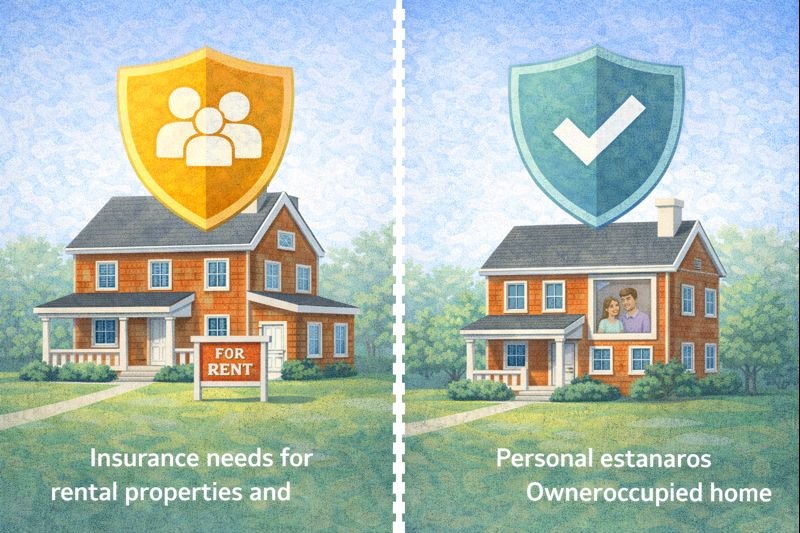
Although single family rentals appear similar to owner-occupied homes, insurers treat them very differently. Once a property is rented out, the risk profile changes due to:
-
Tenant-related property damage
-
Increased liability exposure
-
Loss of rental income risks
-
Limited owner supervision
Standard homeowners insurance is not designed for these risks, making landlord insurance the appropriate solution.
Core Landlord Insurance Coverage for Single Family Rentals
The best landlord insurance policies for single family rental homes typically include:
Dwelling Coverage
Protects the physical structure against covered risks such as fire, storms, vandalism, and certain water damage. Coverage limits should reflect the full replacement cost of the home, not market value.
Landlord Liability Coverage
Provides protection if a tenant or visitor is injured on the property and holds the landlord legally responsible. Single family rentals often involve families with children, increasing liability exposure.
Loss of Rental Income Coverage
Reimburses lost rental income if the home becomes uninhabitable due to a covered loss. This coverage is especially important for landlords relying on rental income for mortgage payments.
Optional Coverages That Matter Most for Single Family Rentals
The best landlord insurance policies allow customization through optional endorsements, including:
-
Vandalism and malicious damage
-
Extended dwelling replacement cost
-
Equipment breakdown coverage
-
Umbrella liability policies for higher protection limits
These add-ons provide stronger protection without significantly increasing premiums.
How Insurers Evaluate Single Family Rental Homes
When underwriting landlord insurance for single family rentals, insurers consider:
-
Property age and condition
-
Roof, plumbing, and electrical systems
-
Location and crime rates
-
Tenant screening practices
-
Prior insurance claims
Well-maintained homes with long-term tenants often qualify for better pricing and broader coverage.
Comparing Insurance Providers for Single Family Rentals
The best landlord insurance for single family rental homes is not defined by one company, but by how well a policy matches the property’s risk profile.
Strong providers typically offer:
-
Flexible coverage limits
-
Clear exclusions and endorsements
-
Competitive pricing for single family homes
-
Claims handling experience with rental properties
Landlords should compare multiple quotes and review policy language carefully.
Common Mistakes Single Family Landlords Make
Many landlords unintentionally expose themselves to risk by:
-
Using homeowners insurance instead of landlord insurance
-
Underinsuring dwelling replacement cost
-
Carrying insufficient liability limits
-
Failing to update coverage after renovations
Avoiding these mistakes significantly improves long-term risk protection.
Cost Considerations for Single Family Rental Insurance
Premiums for single family rental homes are typically lower than multi-unit properties, but higher than owner-occupied homes. Costs vary based on:
-
State and local risk factors
-
Coverage limits and deductibles
-
Property age and construction
-
Claims history
Balancing affordability with adequate coverage is key when selecting the best landlord insurance.
Insurance and Tenant Risk Management
Insurance works best when combined with strong tenant management practices, including:
-
Thorough tenant screening
-
Clear lease agreements
-
Regular property inspections
-
Requiring tenant renter’s insurance
These practices reduce claim frequency and support long-term insurability.
When to Upgrade or Change Coverage
Landlords should reassess insurance coverage when:
-
Rental income increases significantly
-
Property value or replacement cost changes
-
Property use changes (e.g., short-term rental)
-
Additional properties are added
Proactive updates prevent coverage gaps.
Best Practices for Selecting the Right Policy
To find the best landlord insurance for single family rental homes, landlords should:
-
Work with insurers experienced in rental properties
-
Prioritize replacement cost and liability protection
-
Review exclusions related to tenant damage
-
Consider bundling multiple rental properties
A well-structured policy supports both protection and profitability.
Conclusion
Single family rentals offer attractive returns, but only when risks are properly managed. Choosing the best landlord insurance for single family rental homes ensures protection against property damage, liability claims, and income disruption.
For U.S. landlords, landlord insurance is not just a safeguard—it is a foundational component of sustainable rental property ownership.