

Introduction
Landlord Insurance plays a critical role in protecting rental property owners from financial loss, legal liability, and unexpected risks. Unlike standard homeowners insurance, landlord insurance is specifically designed for income-generating properties and addresses the unique exposures landlords face.
For U.S. property owners, understanding landlord insurance coverage for rental property is essential not only for financial security, but also for long-term portfolio stability and legal compliance. This guide provides a comprehensive, professional overview of how landlord insurance works, what it covers, and how to structure coverage effectively.
What Is Landlord Insurance?
Landlord Insurance is a specialized property insurance policy designed for residential properties that are rented to tenants. It protects landlords against risks associated with property damage, liability claims, and rental income disruption.
Unlike owner-occupied insurance policies, landlord insurance assumes:
-
The property is used for rental purposes
-
Tenants, not the owner, occupy the home
-
The landlord faces higher liability exposure
As a result, landlord insurance coverage for rental property is broader and more business-oriented than personal homeowners insurance.
Why Landlord Insurance Is Essential for Rental Property Owners
Rental properties operate as financial assets. Any unexpected event—fire, storm damage, tenant injury, or legal dispute—can result in substantial losses.
Landlord Insurance is essential because it:
-
Protects the physical structure of the rental property
-
Shields landlords from liability lawsuits
-
Helps stabilize rental income during covered losses
-
Supports lender and mortgage compliance
For U.S. landlords, especially those with long-term investment goals, landlord insurance is not optional—it is a foundational risk management tool.
Core Landlord Insurance Coverage for Rental Property
1. Dwelling Coverage
Dwelling coverage protects the physical structure of the rental property, including:
-
Walls, roof, floors, and foundation
-
Permanently installed systems such as plumbing and electrical
This coverage applies to losses caused by covered perils such as fire, windstorms, hail, and vandalism. For most policies, dwelling coverage is the largest component of landlord insurance coverage for rental property.
2. Other Structures Coverage
Rental properties often include detached structures, such as:
-
Garages
-
Storage sheds
-
Fences
Other structures coverage insures these elements separately from the main dwelling. This is especially important for single-family rentals and small multi-unit properties.
3. Landlord-Owned Personal Property Coverage
Landlord insurance covers personal property owned by the landlord and used to service the rental, including:
-
Appliances
-
Maintenance equipment
-
Furnishings in partially furnished units
It does not cover tenant belongings, which must be insured separately through renter’s insurance.
4. Liability Protection
Liability coverage is one of the most critical components of landlord insurance. It protects landlords against claims arising from:
-
Tenant injuries on the property
-
Visitor accidents
-
Legal defense costs and settlements
Given the litigious nature of the U.S. legal system, liability protection is a cornerstone of landlord insurance coverage for rental property.
Optional Coverage Enhancements Worth Considering
Loss of Rental Income Coverage
Loss of rental income coverage compensates landlords when a covered event renders the property uninhabitable. This ensures continuity of cash flow during repairs.
Vandalism and Malicious Damage
Tenant-related vandalism is a common risk. Many landlord insurance policies include or offer enhanced protection against intentional damage.
Fair Rental Value Coverage
This optional feature reimburses landlords based on market rental rates rather than actual lease income, offering additional financial stability.
Common Risks Faced by Rental Properties in the U.S.
Rental properties face risks that differ significantly from owner-occupied homes:
-
Higher foot traffic
-
Variable tenant behavior
-
Deferred maintenance issues
-
Increased legal exposure
Landlord insurance coverage for rental property is designed to address these realities and reduce financial volatility.
How Coverage Needs Differ by Property Type
Single-Family Rentals
Typically require:
-
Standard dwelling coverage
-
Higher liability limits
-
Loss of rental income protection
Multi-Unit Properties
Often need:
-
Expanded liability coverage
-
Higher coverage limits
-
Additional endorsements
Coverage customization is critical to aligning insurance protection with property type.
Choosing the Right Coverage Limits
Determining appropriate coverage limits requires evaluating:
-
Replacement cost of the structure
-
Local construction costs
-
Legal liability exposure
Underinsuring a rental property can lead to severe financial shortfalls. Most experts recommend replacement-cost-based coverage rather than market value-based limits.
Common Coverage Mistakes Landlords Should Avoid
-
Relying on homeowners insurance for rentals
-
Ignoring liability exposure
-
Skipping loss of rental income coverage
-
Failing to update coverage after renovations
Proper landlord insurance coverage for rental property requires regular review and adjustment.
Key Takeaways for U.S. Landlords
-
Landlord Insurance is designed specifically for rental property risks
-
Coverage extends beyond property damage to liability and income protection
-
Policy customization is essential based on property type and location
-
Comprehensive coverage supports long-term investment success
Conclusion
Understanding landlord insurance coverage for rental property is fundamental for any U.S. landlord seeking to protect assets, manage risk, and sustain rental income. As rental markets evolve and regulatory environments become more complex, landlord insurance remains one of the most effective tools for safeguarding property investments.
A well-structured landlord insurance policy is not just an expense—it is a strategic investment in financial stability and long-term growth.
Related Posts
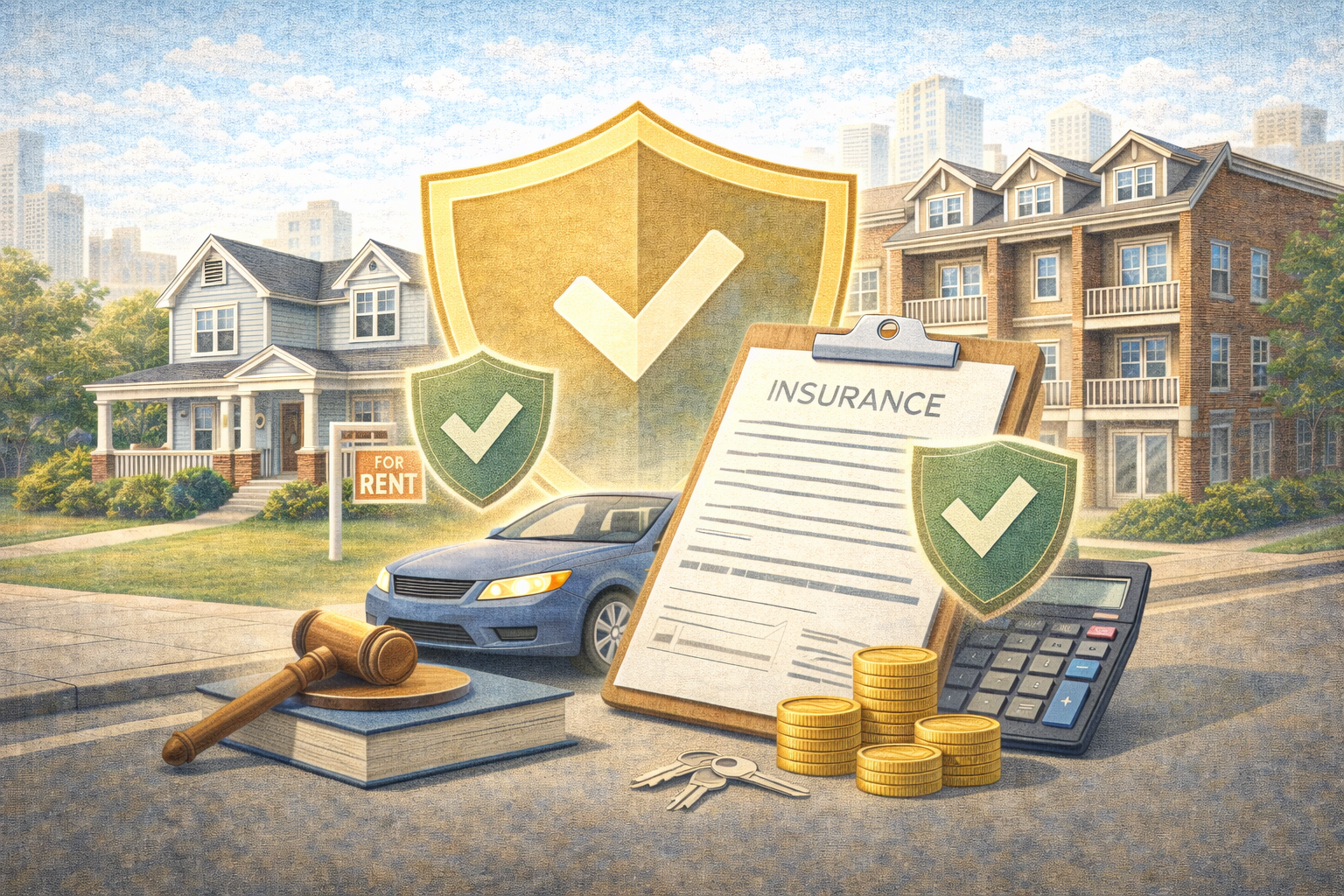
Landlord Insurance Requirements for Rental Property Owners in the U.S.
[caption id="attachment_29" align="alignnone" width="300"] Insurance compliance and protection requirements for…
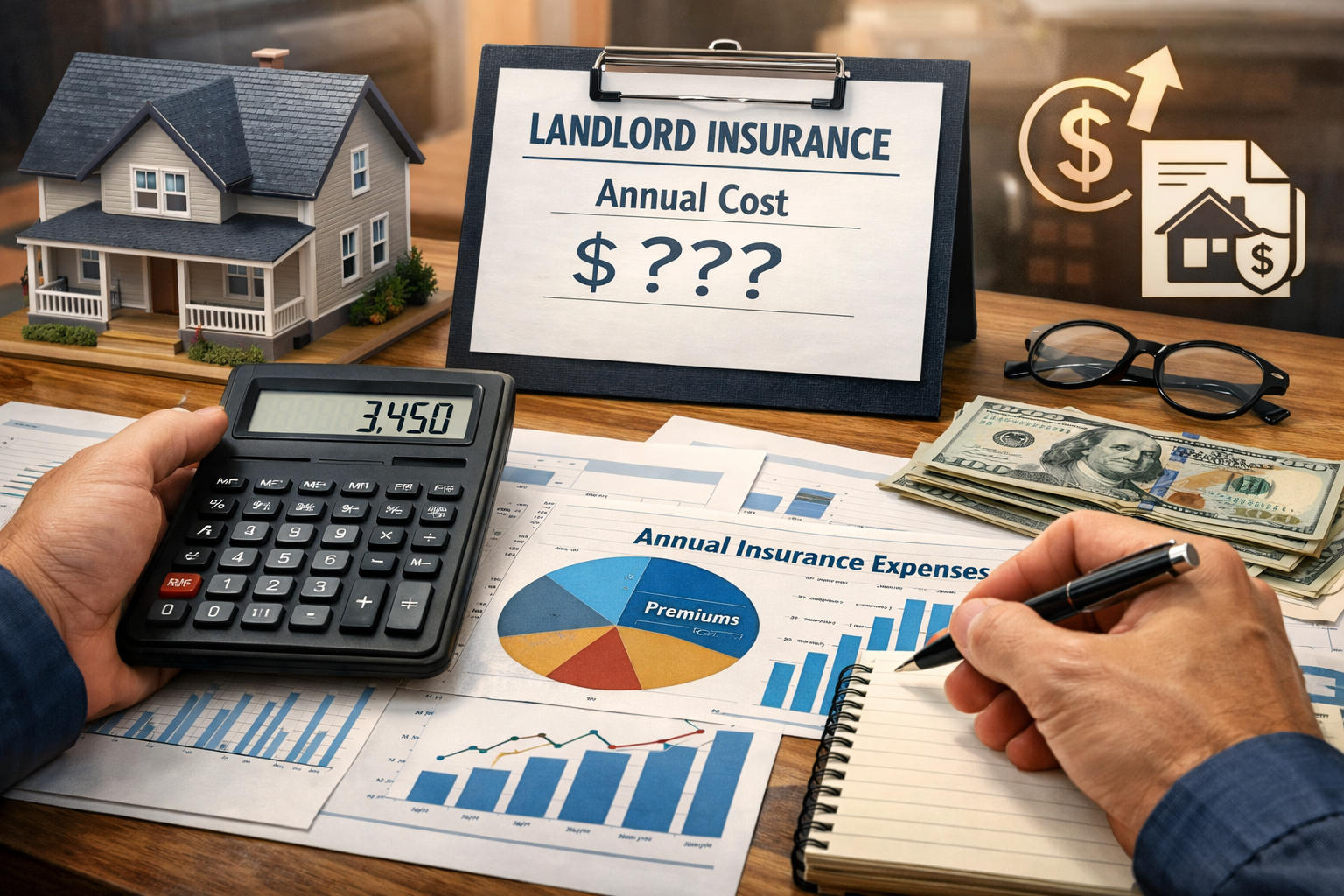
Landlord Insurance: Who Needs It and How I Figured Out My Eligibility When I first bou
[caption id="attachment_100" align="alignnone" width="300"] Calculating annual expenses for rental property…

What Does Landlord Insurance Cover and Not Cover? A Detailed Guide for U.S. Landlords
[caption id="attachment_26" align="alignnone" width="300"] Clear visual explanation of what landlord…