

When I first started managing rental properties, I thought owning the building was the only way to require landlord insurance. I learned quickly that this isn’t true — even if you don’t own the property outright, insurance can protect you from liability and financial loss.
This realization came the hard way.
I. How I First Encountered Non-Owner Insurance
I was managing a small multi-family unit for a friend who owned the property. One tenant accidentally caused water damage in the basement. I immediately assumed that the owner’s insurance would cover everything.
A few weeks later, the insurance company called and said:
“The policy only covers the property owner. As a non-owner managing the property, you’re not covered.”
I was stunned. Thousands of dollars in potential liability, and I had no safety net.
II. Understanding Non-Owner Landlord Insurance
Non-owner landlord insurance is designed for people who manage or lease properties they don’t fully own, such as:
-
Property managers
-
Investors with lease agreements
-
Executors or trustees managing inherited property
It typically covers:
-
Liability for tenant injuries
-
Property damage caused by negligence
-
Legal expenses in case of lawsuits
Without it, you could be personally liable — even if you technically “don’t own” the building.
III. My Personal Risk Assessment
I created a table to compare potential risks for non-owner vs owner landlords:
| Risk Type | Owner Coverage | Non-Owner Coverage (Needed) | My Experience |
|---|---|---|---|
| Tenant injury | Covered by owner policy | Must have separate liability coverage | Water accident in basement, initially uncovered |
| Property damage | Owner responsible | Non-owner may be liable if negligent | Costly repair threat if no insurance |
| Legal claims | Owner handles | Non-owner needs personal liability protection | Learned lesson first-hand |
| Lease violations | Covered for owner | Non-owner can be sued | Reviewed contracts and adjusted coverage |
This table helped me visualize gaps I didn’t understand initially.
IV. My First Claim Scenario
A tenant tripped over loose stairs I had failed to notice. The injury wasn’t severe, but medical bills came in.
Without non-owner landlord insurance:
-
I would have had to pay personally
-
My personal assets were at risk
-
Stress levels skyrocketed
With the policy:
-
Liability coverage handled medical and legal fees
-
I avoided personal financial ruin
-
Emotional relief was immediate — I finally felt secure in managing property I didn’t own
V. Choosing the Right Policy as a Non-Owner
I realized that policy selection is more nuanced:
| Feature | Importance | My Implementation |
|---|---|---|
| Liability coverage | High | Chose $300k limit for peace of mind |
| Legal expense coverage | Critical | Added to handle potential disputes |
| Tenant negligence rider | Optional but valuable | Purchased after water damage incident |
| Flexible underwriting | Important | Found insurer willing to cover non-owner scenarios |
| Cost | Moderate | Paid ~$900/year, worth avoiding personal financial risk |
I also discovered that not all insurers offer non-owner coverage, so you have to shop carefully.
VI. Lessons Learned
-
Don’t assume the owner’s insurance protects you – I learned this the hard way.
-
Document everything – inspections, maintenance, repairs. This helped with claims.
-
Check your contracts – Lease agreements and management contracts can affect liability.
-
Riders matter – Tenant negligence, legal expenses, and liability extensions are crucial.
VII. Emotional Side of Non-Owner Insurance
Initially, I felt frustrated and unprepared. The thought of personal financial exposure was terrifying.
Now, I feel:
-
Empowered – I know what I’m covered for.
-
Confident – I can manage properties without ownership worry.
-
Peaceful – Insurance handles what I cannot predict.
Insurance transformed a stressful side gig into a manageable, low-risk venture.
VIII. My Advice for Other Non-Owner Landlords
-
Understand your exposure – Know exactly what risks you bear.
-
Shop specialized insurers – Not all companies cover non-owner scenarios.
-
Choose liability and legal coverage first – Property damage coverage is secondary but still important.
-
Use riders strategically – Only pay for what’s relevant to your management situation.
-
Keep records meticulously – Photos, maintenance logs, tenant communication.
IX. Final Thoughts
Non-owner landlord insurance is a lifesaver for property managers and investors. I went from panicked and underprotected to confident and proactive.
If you’re managing a rental property you don’t fully own, my advice is simple:
Get coverage, understand it fully, and plan for risks.
The cost might feel like an extra expense, but it safeguards your personal finances, peace of mind, and professional credibility.
Related Posts

How Much Does Landlord Insurance Cost in the U.S.? A Complete Pricing Guide
[caption id="attachment_15" align="alignnone" width="300"] Visual representation of landlord insurance pricing…
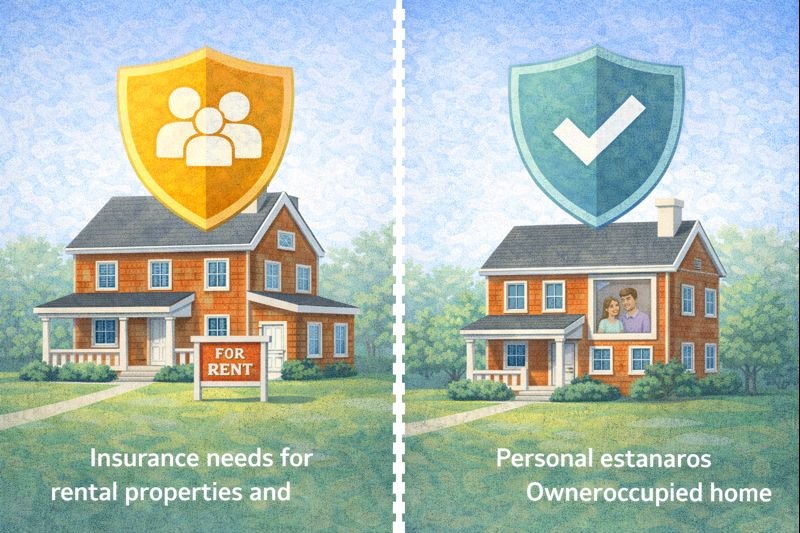
Landlord Insurance vs Homeowners Insurance for Rental Property Owners
[caption id="attachment_21" align="alignnone" width="300"] Visual comparison of insurance needs for…

Landlord Insurance: My Experience Understanding Costs, Premiums, and Hidden Fees
[caption id="attachment_109" align="alignnone" width="300"] Comparing landlord and renter insurance responsibilities…