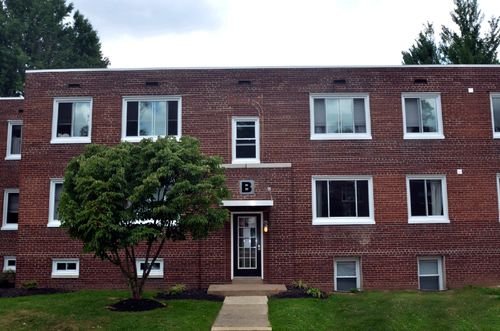
I still get texts from my buddy Tom that reference that wild rainstorm that swept through Portland back in 2021, the one that flooded the ground-floor unit of the 1927 craftsman he’d been renting out for three years. Back then, he had no idea that the standard landlord policy a local agent had sold him for twelve dollars a month offered zero coverage for that outdated galvanized pipe burst that warped half the tenant’s vintage furniture and rotted out the baseboards in the back bedroom. Tom was living in a small condo across the west side of the city then, never held the deed to that old craftsman, just leased the entire 3,000 square foot space from the estate that owned it and split it into three separate rentals for extra income, and no one warned him that the 90-plus year old home had quirks no basic policy was built to handle.
A lot of folks fall into the exact same boat Tom did. You find a great deal on a vintage two-flat in Boston’s Jamaica Plain, or a 1950s bungalow outside of Austin, you sign a long term non-owner lease agreement so you don’t have to sink tens of thousands into a down payment or sudden structural repairs, and you jump straight into renting it out to tenants you vet yourself. But you stop researching financial safety nets the second the first security deposit hits your bank account, and you never sit down to ask what happens if that 70 year old electrical wiring in the walls sparks a small kitchen fire, or if the 1940s basement foundation cracks after a week of below-freezing temperatures, and your tenant takes you to small claims court because their Service Dog that was being boarded locally for the holiday nearly went into a medical emergency from smoke inhalation.
You don’t have to own the home to be held 100 percent liable for incidents that happen in a rental space you manage. Even if the property owner’s own policy covers the actual physical structure of that older home, you as the non-residential, non-title-holding landlord are still on the hook for medical bills if a guest slips on a uneven pine plank floor from 1932 that you forgot to sand down, or if a tenant’s dog gets spooked by a loose porch screen that blew off and bites the neighbor that walks their golden retriever past the front steps every evening without warning. I spoke last month to a freelance property manager out of Chicago who had three separate clients last year get stuck paying five to ten thousand dollars each out of pocket for claims their property owner utterly refused to assist with, all because none of those new landlords ever picked up a policy created specifically for property stewards who don’t hold the actual home deed, tailored fully to the unique risks that century old homes always carry that new construction never will.
Most new people first checking into this coverage start at five different big名字 insurer websites, type in that they don’t own the home they rent out, select that the property was built before 1960, and stare at the screen when every single quote they get back either says coverage isn’t offered, or triples their monthly rate with zero explanation why. You can’t get the same policies designed for people who own newly constructed single family homes to work for a 100-year old row home that has original knob and tube wiring and zero updated storm proof roofing. Those standard underwriting teams have almost no data for older legacy homes rented by non-owners, they automatically flag 80+ year old boilers and ungrounded outlets as an excessive financial risk, and most will automatically deny you or price the plan so steep it feels like tossing cash into a leftover chimney flue that hasn’t been cleaned since the Nixon administration.
What no casual blog post told Tom back in 2021, what even his old property management group never bothered to mention, is that there are specialty local providers who work exclusively with small-scale non-owner operators who rent out historic properties, who will do a quick in-person walkthrough if you help the tenant move their personal pet bed and their cat tree out of the main path during the appointment, who can note that you replaced the original ungrounded kitchen outlets two years prior even if that old home hasn’t had a full code update since George H.W. Bush was president, who look at your proof that you service that 60 year old furnace every single fall without fail rather than automatically slapping a massive surcharge on your bill just for the home’s construction year. You don’t have to overpay a general insurer, you don’t have to sit through hours of rigid fine print clauses that void your entire claim just because your tenant’s emotional support corgnibble at the windowsill paint that still has trace amounts of 1970s lead that you disclosed in the original lease.
A real rule of thumb you won’t see in any fancy corporate explainer guides: the right specialty plan for non-title-holding landlord status on that aging rental should cost you no more than 12 to 18 dollars a month per unit, should never make you pay for full historic façade replacement coverage that goes automatically to the actual property owner when external hailstorm damage hits, and absolutely needs to include at minimum 1 million dollars worth of personal liability coverage that kicks in immediately the second a related incident gets reported to your insurer. I keep a folder in my email with ten+ different short case docs from other people in the same space as Tom, of one person who used this exact type of plan when their tenant’s very expensive Purebred Siamese knocked over an old oil lamp in an 1890s rental that set a small section of the couch on fire,and the policy fully covered all the tenant’s damaged personal property cost and two separate veterinary visit co-pays for the cat that inhaled a small amount of smoke before help got there, the owner didn’t pay a single dollar outside their standard tiny deductible.
You cannot keep chancing it week after week after that that that old plumbing that’s outlasted three generations of rental owners will never leak, that rambunctious tenant puppy will never tug that last fraying inch off that ancient stair rail dating back to the 1920s until it comes loose and someone trips. Stop scrolling generic commercial insurance sites for price quotes this week, find the local independent agent about 20 minutes from your rental that specializes in small landlord legacy home coverage, text them your list of recent regular home maintenance receipts and the copy of your non-owner lease agreement right before the weekend hits, you will protect the income that you have spent dozens of late evenings marketing and vetting tenants to build, and you never have to panick while explaining to a judge with no prior context why you think the guy who actually has his name on the property deed is liable for damage related to that uneven staircase patch you knew about and ignored for six months. That peace of mind is not gimmicky extra coverage no one ever ends up using-it is the exact thing that keeps small independent landlords running vintage neighborhood homes doing what they love rather than draining every last cent in savings on unexpected legal bills they never could planning away. Tom still has that 1927 craftsman rental today, he switched to a local specialty provider three years ago, he uses that old rainstorm story as the lead of every single new tenant welcome packet, and not a single soul that came after him has ever had to face the exact same totally avoidable ordeal that he fought through back in the messy summer of 2021. Don’t put yourself in his old shoes a minute lot longer than you absolutely have to, if you haven’t made that call today’s absolutely the day to get it all sorted out.