Last Tuesday, my tenant texted me a photo of the inverter. It was just… dark. No lights, no hum, nothing. The whole solar setup had gone silent. And I remember standing in my own kitchen, miles away from that rental property, thinking: who pays for this?
You see, I don’t own that house. My name isn’t on the deed. But I do own the lease, the rental agreement, the whole subletting arrangement that lets me be a landlord without being the landlord. That’s the weird middle ground of being a non owner landlord. And when you add solar inverters into the mix? Things get complicated fast.
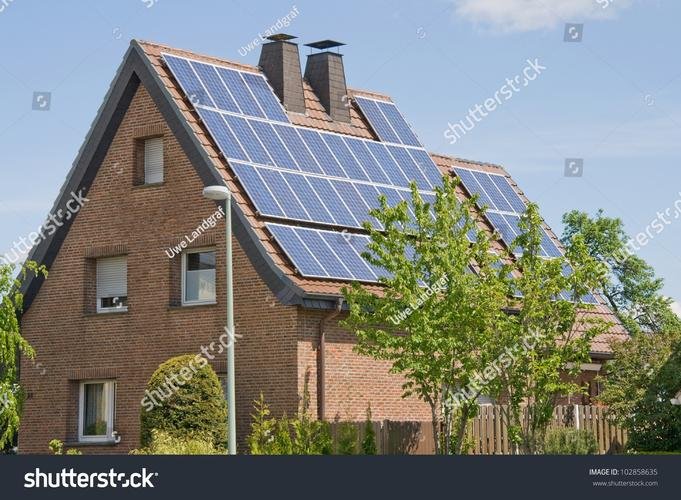
Let me back up. A few years ago, I started leasing a single-family home in Arizona. The owners had installed this beautiful rooftop solar system back in 2021. Great for them, great for the planet, and honestly great for me because the electric bills were stupid low. When they moved out for a job in Europe, they asked if I wanted to stay on as a tenant but also manage the place for them—find subtenants, collect rent, handle maintenance. Basically, be the on-site landlord without owning a brick. I said yes.
But here’s the part nobody warned me about. Standard landlord insurance? That’s for people who hold the title. Regular renters insurance? That only covers my sneakers and laptop. And a non owner landlord policy? Most agents look at you funny when you mention inverters.
So I did what any panicked person does at 11 PM. I fell into an internet rabbit hole of forums and horror stories. One guy in Texas talked about how his inverter caught fire—not an explosion, just this slow, smoky meltdown that tripped the whole breaker box. The equipment was under warranty, sure, but the smoke damage? The wall repairs? The week the place was uninhabitable and he had to refund the subtenants? None of that was covered by the base non owner policy he’d grabbed for forty bucks a month.
That’s when it clicked. Non owner landlord insurance for homes with inverters isn’t just a fancy add-on. It’s the difference between a bad week and a bankrupt one.
Think about what an inverter actually does. It’s not just a metal box on the wall. It’s the heart of the solar system, converting DC to AC, managing the flow, keeping the house running during the day. But when it fails—and they do fail, usually at the worst moment—it can cause a cascade of liability. What if the subtenant’s kid touches the wrong wire? What if a voltage spike fries their gaming PC? What if the sudden shutdown ruins the food in the fridge and they decide to sue?
I called my insurance guy, Steve, who’s been in the business since before people took solar seriously. He said most non owner policies treat the house as just… a shell. Walls, floors, ceiling. But the moment you attach a sophisticated piece of electronics like an inverter, you’ve changed the risk profile. And the standard exclusions usually mention something vague like “electrical generation equipment” buried on page 14 in 6-point font.
So what’s the solution? You don’t need to become an energy engineer. You just need to ask three questions before you sign anything.
First: Does this policy include equipment breakdown coverage for solar inverters? Some companies call it “machinery breakdown.” Others fold it under “special personal property.” But if they say “no” or “we’ll have to check,” walk away.

Second: What liability limit applies to damage caused by power fluctuations? Because when an inverter fails, it’s not always the inverter itself that costs money. It’s the effect of the failure—fried appliances, spoiled food, even temporary displacement costs if the power is out for days.
Third: Is the dwelling covered as a landlord’s property or as a tenant’s property? This one’s sneaky. In a non owner situation, you don’t own the solar panels or the inverter. The actual homeowner does. But if your subtenant damages them, whose insurance pays? Most standard policies point fingers in circles. The right non owner landlord insurance for homes with inverters will have a clear clause: “we cover the systems you are contractually responsible to maintain.”
I learned this the hard way after that dark inverter incident. Turns out, the unit had just reached its natural end—eight years of brutal Arizona summers. The homeowner said, “That’s your problem, you’re the manager.” My basic non owner policy said, “That’s a maintenance issue, not an insured peril.” And I ended up paying $2,300 for a new inverter out of my own pocket.
That night, I sat on my own couch and ran the numbers. Over three years of being a non owner landlord, I’d pocketed about $18,000 in rental profit after paying the actual owner their cut. One inverter replacement ate up 13% of that. And if there had been a fire? A liability lawsuit? I’d be wiped out.
So here’s what I do now. I have a dedicated policy specifically endorsed for solar-equipped homes. It costs me $67 a month—about the price of two pizza nights. And it covers inverter sudden breakdown,voltage surge damage to tenant property up to $15,000, and even loss of rental income if the inverter failure makes the place unlivable for more than 72 hours.
You might ask: Is this overkill? Am I just being paranoid?
Look, I’m not a risk manager. I’m just a guy who rents out someone else’s house because the housing market is broken and this is how I make side income. But I’ve seen how fast a good situation can turn into a nightmare. The inverter doesn’t care that you’re nice. The subtenant doesn’t care that you didn’t know. The actual homeowner definitely doesn’t care once their system goes dark and they’re three time zones away.
The beauty of the right non owner policy is that it lets you sleep. Because at 2 AM, when your phone buzzes with a panicked text that says “power’s out and something in the garage is smoking,” you don’t want to be googling “can I sue my own insurance company.” You want to already know the answer.
That’s the whole game, isn’t it? We didn’t invent solar panels or inverters or this weird economy where we rent homes we don’t own. But we can control the paperwork. We can control the what if. And yeah, it’s another monthly bill, another email to an agent, another fine-print document to read. But compare that to the alternative. Compare that to standing in your kitchen, phone in hand, realizing that a two-thousand-dollar metal box just became your problem because nobody asked the right question back when there was time.
So next time you’re looking at a rental property with those shiny panels on the roof and that humming box on the garage wall, don’t just check the square footage. Don’t just imagine the rental income. Ask about the inverter’s age. Ask the owner who repairs it. And then call an insurer who won’t laugh when you say “non owner landlord insurance for homes with inverters.” Because the worst time to discover a hole in your coverage is when you’re already falling through it.