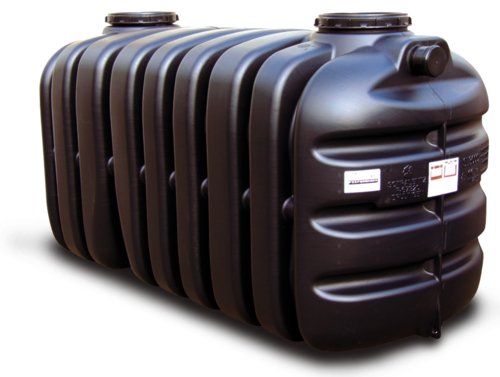
You check the listing again. The house is perfect. Good neighborhood. Solid rent. Then you see it buried in the property details: Septic System. No connection to the city sewer line.
That single line should make you pause. Not because of the tank itself, but because of what it means for your non owner landlord insurance.
You are not living there. You are the landlord behind the scenes. And the ground beneath that rental holds a quiet risk most standard policies never mention.
Let’s walk the property together, but in a different way. Not as an investor counting cash flow. As a biologist might walk a forest floor, looking for the fragile, hidden systems.
The septic field is underground. You cannot see it working. Neither can the tenant. But every flush, every load of laundry, every long shower sends water into that dark chamber. Bacteria eat the waste. The liquid then spreads into the drain field.
It is a biological engine. And like any engine, it can fail.
Now, picture your standard non owner landlord insurance policy. It covers fire. It covers wind. It covers liability if someone slips on the sidewalk. It is designed for a house connected to a municipal sewer. The city owns the pipe under the street. Their problem.
But here,the pipe and the treatment plant are yours. Buried in the backyard.
What happens when the drain field clogs? What happens when tree roots invade the tank? What happens when the tenant flushes a “flushable” wipe that is anything but?
The water backs up. Inside the rental. The smell arrives first. Then the gray water seeps into the carpet. The tenant calls you at 10 PM.
You call your insurance agent the next morning. This is where the quiet shock happens.
“Water backup coverage?” you ask.
“We have it,” the agent says.
“Does it cover the septic field collapsing?”
A pause. “No. That’s a maintenance issue.”
And there is the line in the sand. The one drawn right through your cash flow. Most non owner landlord policies treat the septic system as your responsibility to maintain. It is not an “insured peril” like a falling tree. It is wear and tear. It is ground settling. It is an old system finally saying enough.
You see, the logic is cruel but consistent. Insurance handles sudden and accidental damage. A septic system fails slowly. It acts like a chronic disease, not a heart attack. The ground becomes oversaturated over months. The tank cracks from years of ground shifting. The insurance adjuster will point to the rust on the baffle and say, “This was coming.”
So what do you actually need?

First, look for a policy that offers specific “service line” coverage. Some carriers now include the pipes from the house to the street. But your “street” is the tank. Read that definition carefully. Does a septic line count as a service line?
Second, ask about “earth movement” coverage. Standard policies exclude settling, expanding clay soils, and erosion. Your drain field lives in that exact environment. A wet spring can soften the ground. The distribution box tilts. The effluent stops flowing downhill. Without earth movement coverage, you pay the excavator yourself.
Third, and this is the one most landlords miss. Search for a separate “septic system endorsement.” It is rare. It is not cheap. But a handful of specialty insurers write it. The endorsement typically covers the cost to dig up, repair, or replace the tank and drain field if a specific covered peril—like a vehicle driving over it—causes the damage. Notice the loophole: the vehicle has to be an outside force. The tank simply crumbling from age is still on you.
Let me tell you about a landlord in Oregon. She bought the duplex in the winter. The ground was frozen. The inspector could not test the septic fully. She got a clean report on the tank inspection, meaning the baffles were intact and the scum layer was normal. She bought a standard non owner policy. No endorsements.
Spring came. The rains soaked the hill. The drain field on the lower unit turned into a marsh. The tenant’s toilet gurgled. Then it stopped draining. The repair required a new leach field. Fifteen thousand dollars. Her insurance paid zero. She paid from her savings.
The policy was not bad. It was just built for a different reality.
So now you are standing at the edge of the property line. The grass is green over the drain field. Everything looks fine. But you know the question you must ask your insurer before signing the binder.
Does the policy cover the cost of accessing the tank? This sounds small. But the tank lid might be three feet down. A backhoe needs to come in. The lawn gets torn up. The landscaper costs money. Access and restoration add thousands to any repair. Most standard policies exclude “landscaping” and “excavation” unless they are part of a covered loss.
What about biological contamination? If the septic backs up into the drywall, the material becomes hazardous. You cannot just wipe it. The law often requires special disposal. Does your liability coverage include biohazard remediation? Or does that require a separate rider?
And the tenant’s belongings. If the backup ruins their couch and their child’s homework, their renter’s insurance should cover it. But they will look at you first. Have the conversation before the lease is signed. Explain in writing: the septic is a shared responsibility. No wipes. No grease. No coffee grounds. Put it in the lease as an addendum. A good tenant understands. A bad tenant ignores it. The written record protects you.
You might be thinking, this sounds like a lot. Why not just sell the property? Because septic homes often sit in desirable rural or suburban land. The cash flow can be excellent. The competition to buy is lower. You just have to insure the risk differently.
Treat the septic like a roof. You know it will need replacement eventually. Budget for it. Put aside fifty dollars a month into a separate account. That is your self-insurance fund for the tank. The non owner landlord insurance will cover the fire that takes out the house. The separate fund covers the slow death of the drain field.
One last hidden detail. Some policies require you to inspect the septic every three years. If you miss the inspection and a loss occurs, the insurer can deny the claim based on lack of maintenance. Keep the receipts. Keep the pumping records. Keep the camera inspection videos on a hard drive. Insurance loves paperwork. Give them what they want before they ask.
You walk back to your car. The rental looks peaceful. The tenant is at work. The tank is digesting quietly.
But you are different now. You see the ground differently. You know that non owner landlord insurance is not a single product. It is a negotiation. A checklist of questions. A decision between the standard form and the endorsement that actually fits the soil beneath your investment.
Ask the agent about the septic before you tell them the address. If they hesitate, or say “don’t worry about it,” find another agent. The right one will talk about baffles and drain fields like a farmer talks about soil. They will know the local geology. They will name the three insurers who write the service line coverage.
Do not let the green grass fool you. What lives under it can empty your bank account faster than any fire. Insure the house for the flame. Insure yourself for the ground.